Every Swimming
Question,
Answered.
A patient poolside mentor turning nervous first-timers into confident swimmers — one breath pattern and kick drill at a time.
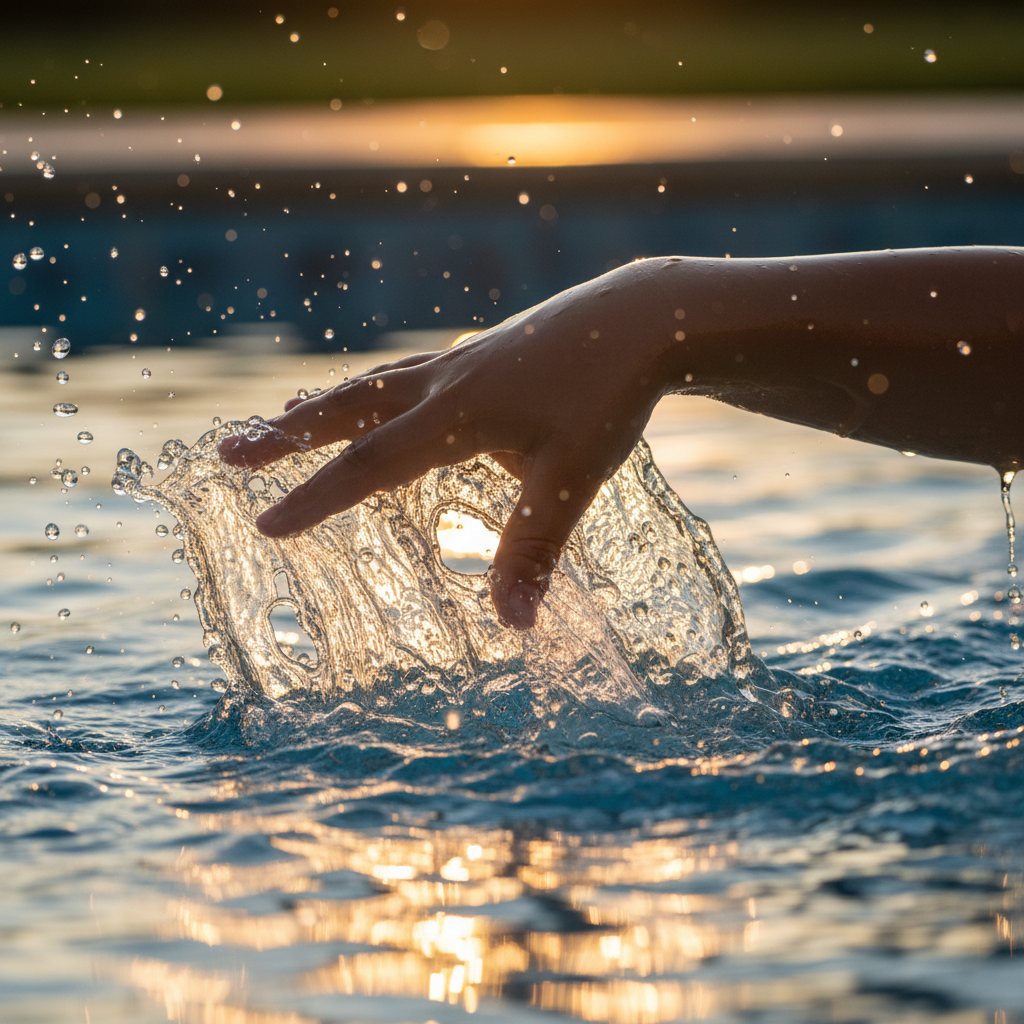
Morning session
First stroke. First breath.
Red Cross
Certified Instructor
Sat, Mar 1
9:00 AM · Beginner Lane
Certified by the aquatic safety authorities that matter
American Red Cross
Water Safety
USA Swimming
Foundation Partner
YMCA Aquatics
Certified Program
ASCA Level 4
Swim Coaching
Lifeguard Pro
Safety Certified
Swim England
Endorsed Method
ARC Instructor
First Aid Ready
NDPA Member
Drowning Prevention
American Red Cross
Water Safety
USA Swimming
Foundation Partner
YMCA Aquatics
Certified Program
ASCA Level 4
Swim Coaching
Lifeguard Pro
Safety Certified
Swim England
Endorsed Method
ARC Instructor
First Aid Ready
NDPA Member
Drowning Prevention
The questions parents ask
at midnight
Every worry is valid. Every answer is honest. No jargon, no vague reassurances — just what you actually need to know.
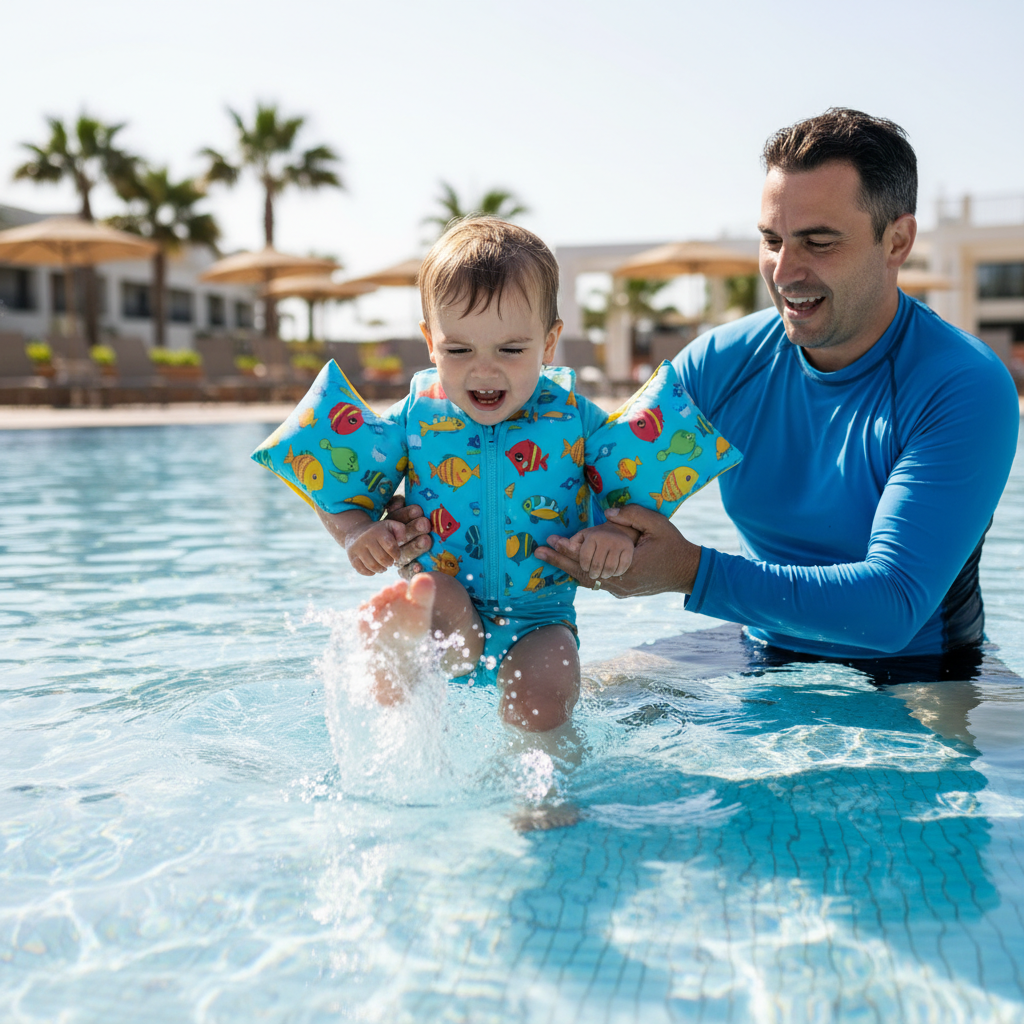
What age is safe to start swim lessons?
The midnight Google question every parent asks
Between 1 and 4, the American Academy of Pediatrics now supports lessons for most children.
Research published in 2010 found children aged 1–4 who took formal swim lessons reduced their drowning risk by 88%. That said, readiness matters more than a birth date. I look for three things: can your child follow simple two-step directions, are they comfortable with water on their face, and do they weigh at least 14 kg? If yes to all three, we're ready. If not, we start with water familiarization — which is its own beautiful lesson.
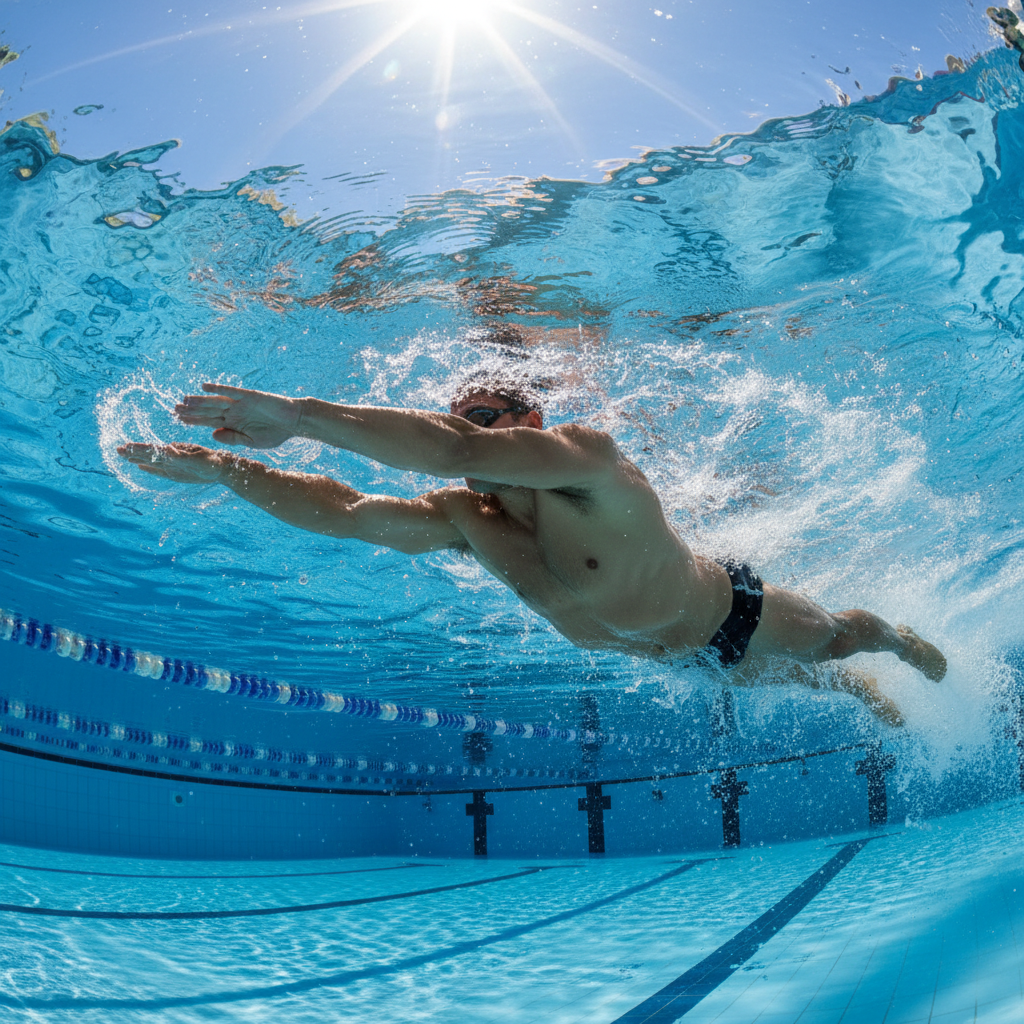
I'm 34 and I never learned. Is it too late?
For the adult who avoided pools for two decades
Absolutely not — adults actually learn specific technique faster than children.
Children have one advantage: fearlessness. Adults have everything else — the ability to understand mechanics, to self-correct, and to practice with intention. My adult beginners typically achieve confident shallow-end freestyle within 8 sessions. We start with breath control on the wall, then add a flutter kick, then put the pieces together. No one watches. No judgment. The pool at 7 AM is just you, still water, and a sequence that makes sense.
How do I know the pool environment is actually safe?
What parents need to see before they let go
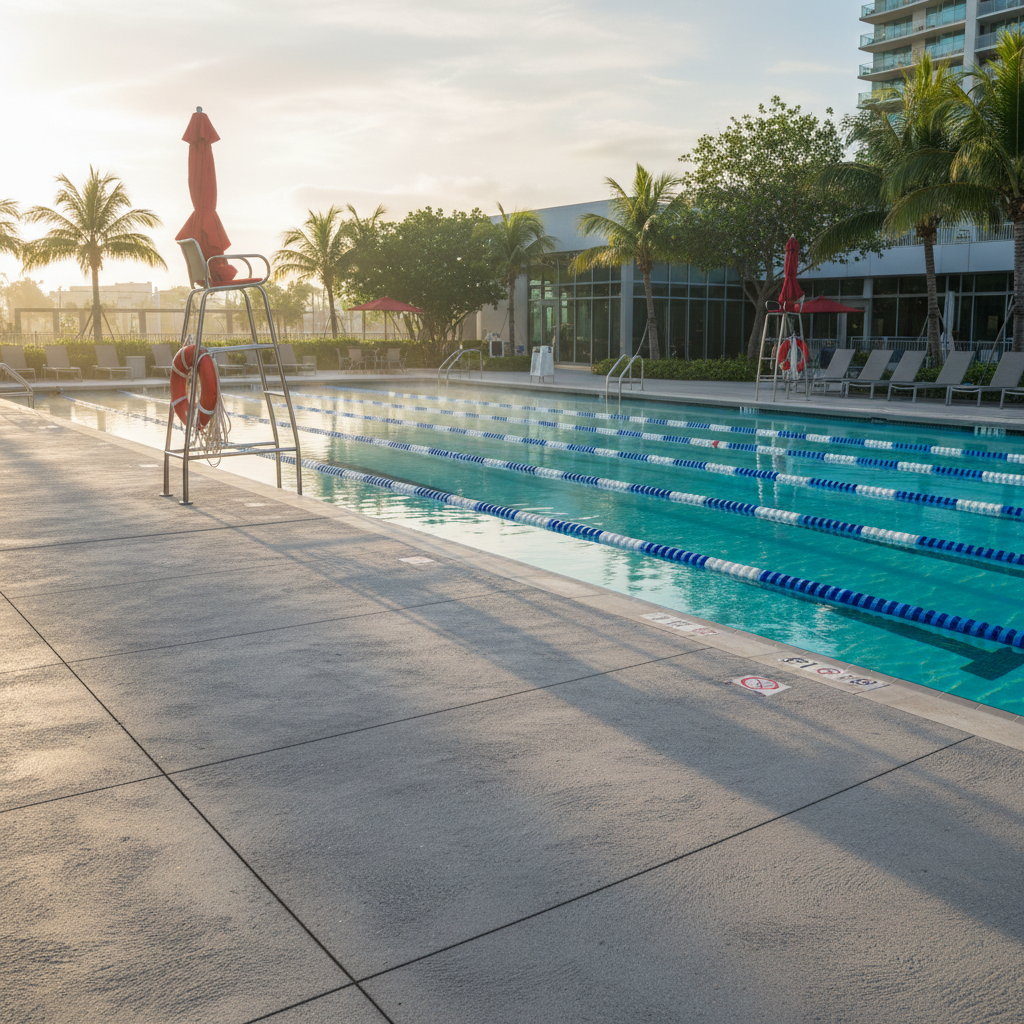
Every lesson runs under a 6:1 student-to-instructor ratio, and I hold current lifeguard certification.
Before your child enters the water, I walk you through the deck rules, point out the emergency equipment, and explain the entry and exit protocol. I use a structured lesson plan from USA Swimming's Learn-to-Swim curriculum, which means every drill has a purpose and every progression is documented. You'll receive a written session summary after every class — not just "great job today," but specific observations: which skills are solid, which need repetition, and exactly what we're targeting next time.
My child has sensory sensitivities. Can they still learn?
For homeschool families and parents of neurodiverse kids
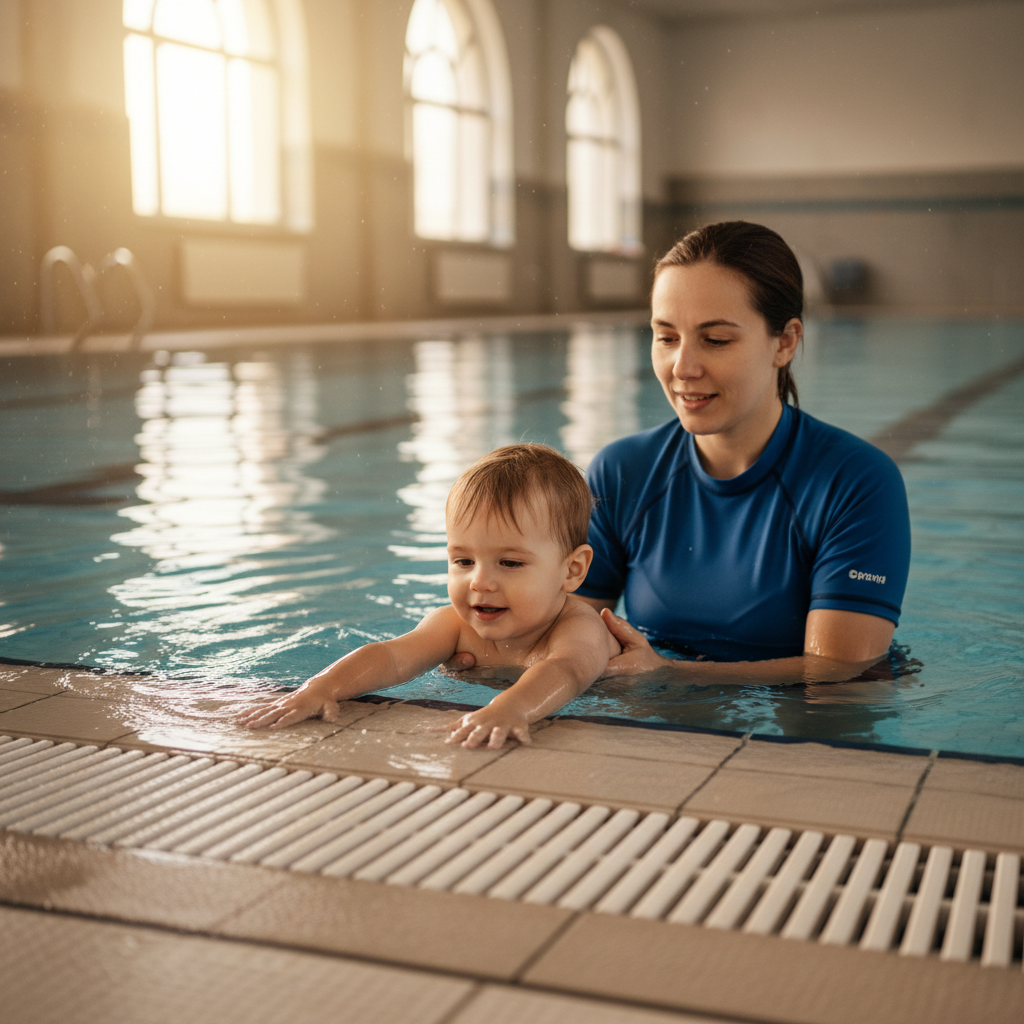
Yes — and water is often a therapeutic environment for sensory-sensitive children when introduced correctly.
I've completed additional training through the Autism Swim program and the Halliwick Concept, which was originally developed for people with physical and learning disabilities. For sensory-sensitive learners, I adjust the lesson pace, avoid sudden water splashes, use consistent verbal cues, and offer noise-reducing ear protection. We begin in the shallowest water and build familiarity before any submersion. Parents are always welcome on deck for the first three sessions — your presence is a co-regulating tool, not an obstacle.
Can swim lessons count toward homeschool PE credit?
For families building structured PE around the pool
Yes — I provide detailed session logs, skill benchmarks, and a progress certificate aligned to state PE standards.
Many homeschool families use my 10-week beginner program as a complete PE unit. Each session is 45 minutes and covers a documented skill set from the USA Swimming Learn-to-Swim framework. I provide a printed or PDF progress report after sessions 5 and 10, which includes skill benchmarks (front float, back float, rotary breathing, 25-yard freestyle), attendance records, and a narrative assessment. This documentation has been accepted by homeschool co-ops and portfolio reviewers in multiple states.
The Pool-Ready
Checklist
Everything your family needs to walk confidently onto the pool deck for the first time — in one printable PDF.
- Swimsuit or board shorts (avoid cotton)
- Swim cap for hair longer than chin-length
- Goggles with a comfortable seal
- Towel and a dry change of clothes
- Water bottle — 30 min of swimming is real exercise
- Any notes on allergies or sensory sensitivities
- A photo ID for the registration form
- Five minutes early for the pre-lesson deck walk
No spam. Unsubscribe any time. One email, one checklist.
Pool-Ready Checklist.pdf
2 pages · Print-friendly
"I printed the checklist the night before and suddenly felt like I actually knew what I was doing. My daughter walked onto the deck like she owned the place."
Maria Chen
Mom of Lily, age 4 · Portland, OR
The water is warm.
Your first lesson is waiting.
Whether you're a parent booking their child's first splash, or an adult finally ready to face the deep end — the first conversation is always free, and always worth it.